Key Things to Check Before Booking a Dune Buggy Ride in Dubai
Understanding Your Dune Buggy Rental
Dubai's desert offers a unique kind of thrill, and a dune buggy is one of the best ways to explore it. But before you book a trip, it pays to know what separates a great experience from a mediocre one. The desert is demanding on both the machine and the driver, so a little preparation goes a long way. This article walks through the practical checks that matter most when you are choosing a dune buggy rental in Dubai. The idea is to help you arrive informed and ready for the dunes.
Safety Gear and Harnesses
The first thing to look at is the safety equipment. A proper dune buggy will have a sturdy roll cage built around the driver and passenger. This metal frame is there to protect you if the buggy tips over on a steep dune slope. Check that the roll cage is in good condition, with no cracks or bent sections. The safety harness is just as important. A standard lap belt does not offer enough hold for off-road riding. Look for a four-point or five-point harness that keeps you firmly in the seat. This is not a detail to overlook. A good operator will make sure the straps are easy to adjust and fasten securely. If the harness feels loose or the buckles are worn, that is a clear sign to move on.
Helmets and Eye Protection
Most rentals include a helmet, but the quality can vary. A full-face helmet offers the best protection against dust and sand. If the helmet has a scratched visor or a loose chin strap, ask for a replacement. Goggles are another essential piece. The desert kicks up a lot of fine sand, and without clear eye protection you will struggle to see the trail. Some operators provide disposable goggles, but a proper set with a decent seal is far better. Take a moment to check that the helmet and goggles fit your head comfortably. An ill-fitting helmet can be distracting and dangerous on the dunes.
Vehicle Condition and Maintenance
The buggy itself deserves a thorough look. Start with the tyres. Sand tyres are wider and have a different tread pattern than regular tyres. They are designed to float on top of the sand rather than dig in. If the tyres look worn down to the rubber or have low pressure, the buggy will struggle to climb dunes. Walk around the buggy and check for any obvious damage, such as cracked body panels or loose bolts. Engine cooling is another factor. Off-road riding is hard on an engine, and a well-maintained buggy will have a proper cooling system, usually with a fan or a liquid cooling setup. If the buggy has been sitting in the heat without running, the engine might be hot before you even start. Operators who care for their vehicles will let you inspect the buggy before the ride. If they seem reluctant, it is worth asking why.
Fuel and Fluid Levels
A quick glance at the fuel gauge is easy to forget in the excitement. Make sure the tank is full enough for the planned route. Some operators fill the tank for each ride, but it is always wise to confirm. Ask about the oil level and whether the buggy has been serviced recently. A well-maintained engine runs more smoothly and is less likely to break down in the middle of the desert. You are not expected to be a mechanic, but a simple check shows that the operator is transparent about their equipment.
Understanding the Route and Terrain
Not all dune buggy experiences are the same. Some routes are gentle, flat runs across the sand, while others tackle steep dune slopes and tight off-road trails. Before you book, ask about the difficulty level of the route. If you are a beginner, a route that involves steep climbs and fast descents might be too much. Experienced riders may want more challenging terrain. Also ask about the length of the ride in terms of time and distance. A typical ride might last 30 to 60 minutes, but that can vary. The operator should give you a clear idea of what to expect. If they cannot describe the route, that is a red flag.
Dune Buggy & Quad Biking Dubai is also on Pinterest.
Group Size and Solo Rides
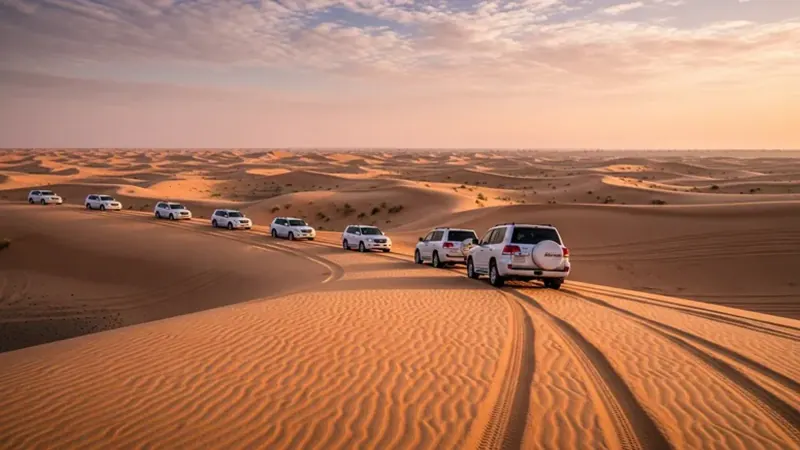
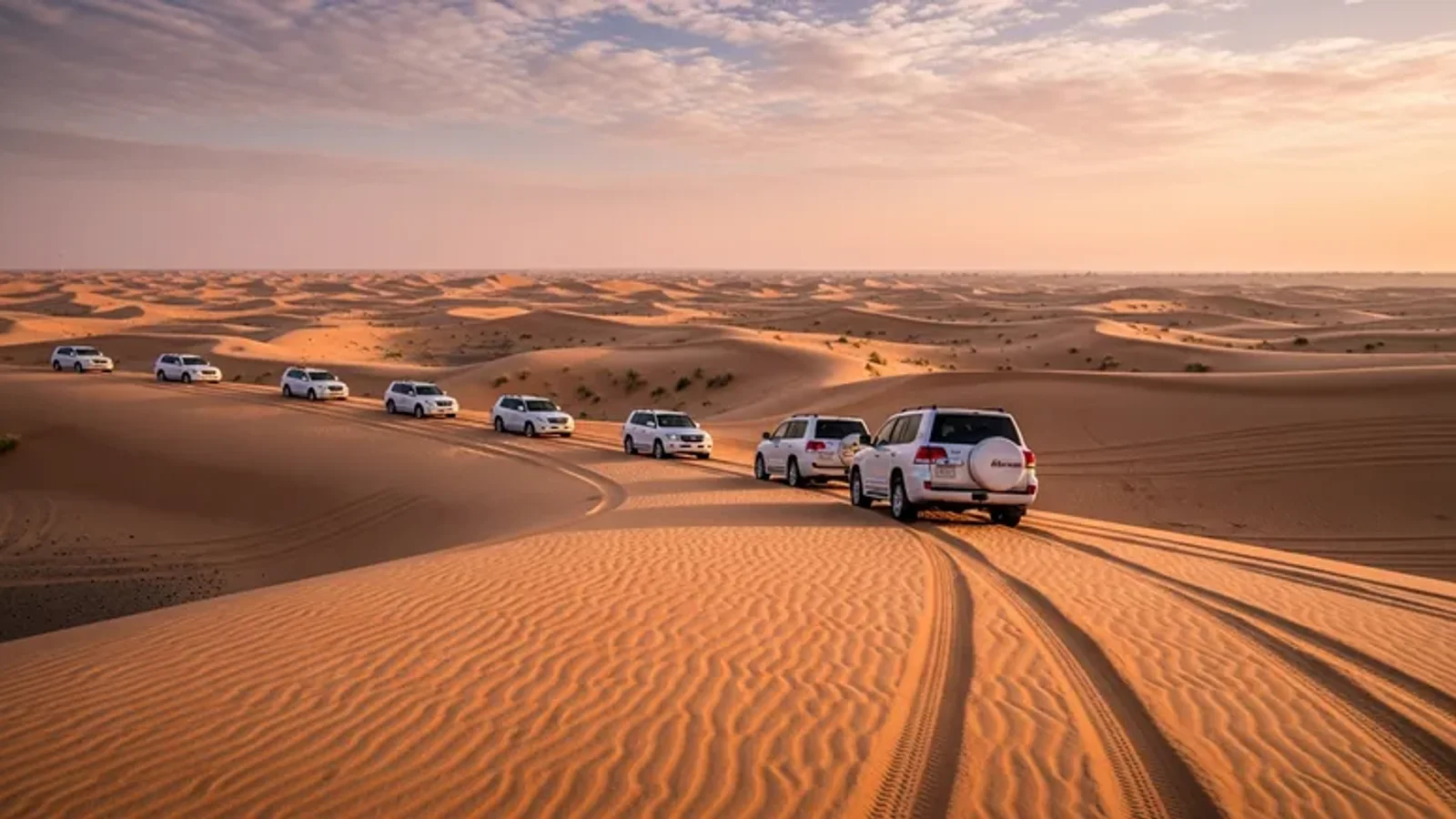
Some operators run group tours where you follow a guide in a convoy. Others let you ride solo or with a passenger. Think about what you prefer. Group rides can be social and safe, with a guide leading the way. Solo rides give you more freedom to set your own pace. Check whether the price quoted is for a single-seater buggy or a two-seater. If you plan to share the ride with someone, make sure the buggy is designed for two people. The seating should be comfortable, and there should be a proper handhold for the passenger.
Insurance and Liability
Off-road driving carries inherent risks. A reputable operator will have insurance that covers the vehicle and, ideally, some level of cover for the driver. Ask about the insurance policy before you pay. Some rentals require you to sign a waiver that limits their liability. Read the waiver carefully. If it says you are responsible for all damage to the buggy, even from normal use, that is a big risk. A fair policy covers accidental damage that is not caused by reckless behaviour. It is also worth confirming what happens if the buggy breaks down during the ride. Will they send a recovery vehicle? Is there a charge for that? Knowing the answers helps you avoid surprises.
Deposit and Damage Waivers
Many operators ask for a security deposit before the ride. This can be a cash amount or a hold on your credit card. Ask how much the deposit is and what it covers. Some operators offer a damage waiver for an extra fee. This waiver limits your financial responsibility if you damage the buggy. Decide in advance whether the peace of mind is worth the extra cost. It often is, especially if you are not an experienced off-road driver. Keep a clear record of the buggy's condition before you take it. A quick video walk-around on your phone can save you arguments later.
What to Wear and Bring
The desert sun is intense, even in the cooler months. Wear long sleeves and long trousers to protect your skin from the sun and from any flying sand. Closed-toe shoes are a must. Sandals or flip-flops will not work on the pedals. A light scarf or a shemagh can help cover your face when the dust kicks up. Bring plenty of water, especially if the ride is long. Some operators provide water, but it is better to have your own. Sunscreen is essential, even if you think you will not be out that long. The reflection off the sand can burn exposed skin quickly. A small backpack or a waist bag is handy for carrying these items, but check with the operator whether bags are allowed in the buggy.
Reading Reviews and Doing Research
Before you commit to any dune buggy rental, spend a few minutes reading recent reviews. Look for comments about the condition of the buggies, the attitude of the staff, and whether the ride matched the description. Pay attention to reviews that mention safety or breakdowns. A few bad reviews are normal, but a pattern of complaints about broken vehicles or poor customer service is a warning. Also check the operator's social media pages for recent photos and videos. That gives you a feel for the type of buggies they use and the terrain you will ride on. One local option is Dune Buggy & Quad Biking Dubai. As with any operator, it is worth confirming the details directly with them before you book.
Final Practical Checks
Before you set off, run through a final mental checklist. Do you have the right clothing and protection? Is the buggy in good visible condition? Do you understand the route and the rules? Have you clarified the insurance and deposit terms? These questions may seem simple, but they are the ones that experienced riders ask every time. The desert is a beautiful place, but it is unforgiving if you are not prepared. A few minutes of checking can turn a good ride into a great one, and keep you safe while you enjoy the dunes.
For those looking to book a ride, Dune Buggy & Quad Biking Dubai can be found at Nakheel Mall Palm Jumeirah - Nakhlat Jumeira - Dubai - United Arab Emirates. You can reach them by phone at +971 50 496 8087.